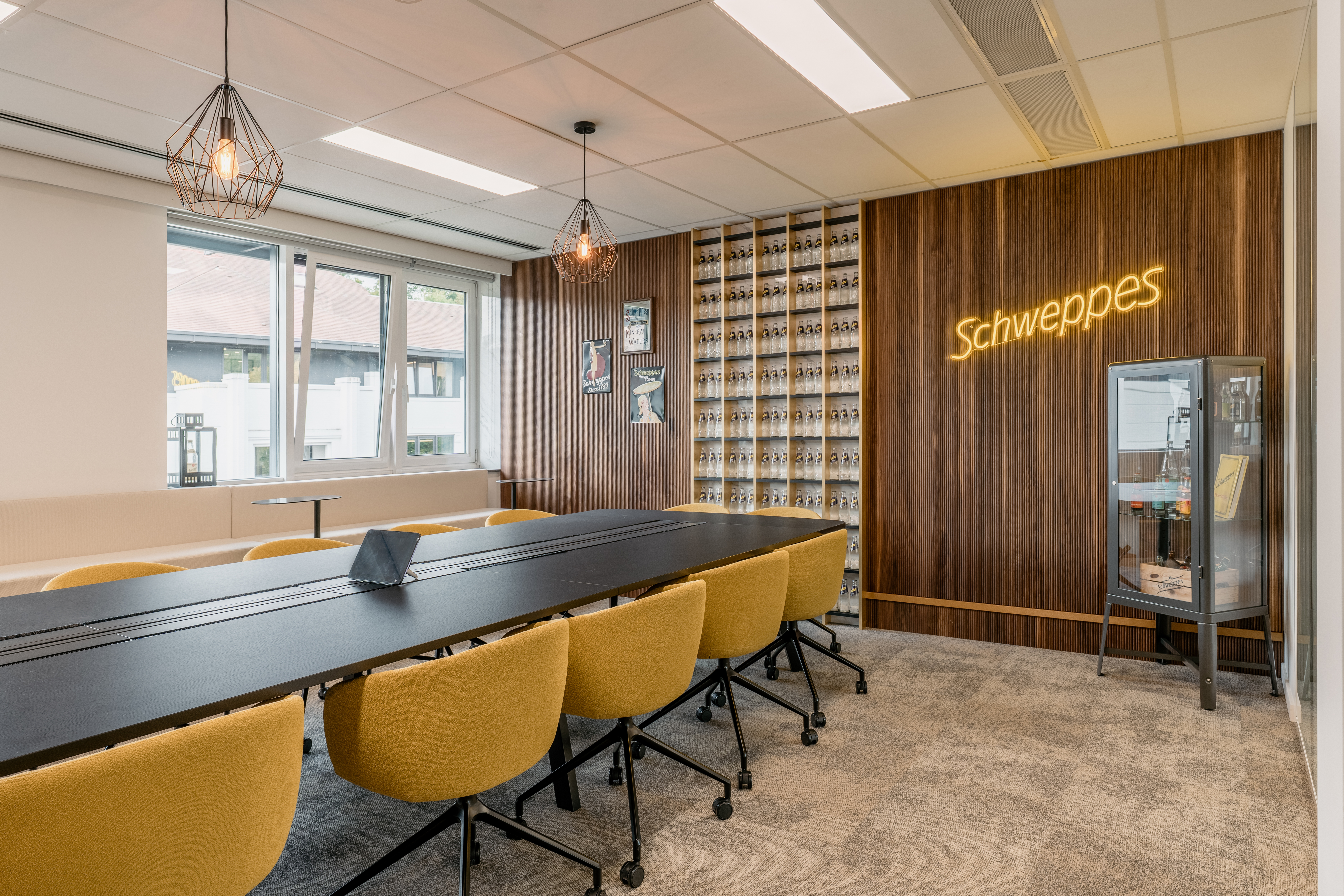
For a long time, commercial carpets were destined for the incinerator. Now they are becoming a new resource for the circular economy. In Wavre, the company Composil aims to establish its model on a European scale.
In Munich, Paris and Brussels, thousands of square metres of carpet are now being saved from the rubbish tip. Long regarded as difficult-to-process waste, carpet tiles from offices can be removed, sorted, cleaned, reconditioned and then reinstalled elsewhere. In this still-emerging market Composil, a Wavre-based company which has specialised in the maintenance of commercial carpets for over thirty years, is now gaining momentum with its ReUse & Recycle initiative.
The subject may seem unimportant. It isn’t. In offices, hotels, meeting rooms and reception areas, carpet remains is still everywhere. Every year, around 716 million square metres are reportedly sold in the European Union, where it accounts for nearly 40% of the flooring market. At the same time, nearly 1.6 million tonnes of used carpets are still said to end up in landfill or incinerators.
For Composil, this waste stream is, above all, a resource. “The idea is that we control the entire carpet value chain,” explains Jean Minne, the company’s CEO. After taking over the company in 2013, the CEO gradually expanded its traditional cleaning and maintenance business into reuse and recycling.
Carpet that’s still new being thrown away
The rationale is simple : to extend the lifespan of materials wherever possible. When an office block changes tenants, the scenario is often the same: renovation, refurbishment of the spaces and replacement of the carpet, even when it is still in good condition. "A company whose corporate colour is green won’t necessarily want grey carpet, even if it’s in immaculate condition", explains Jean Minne.
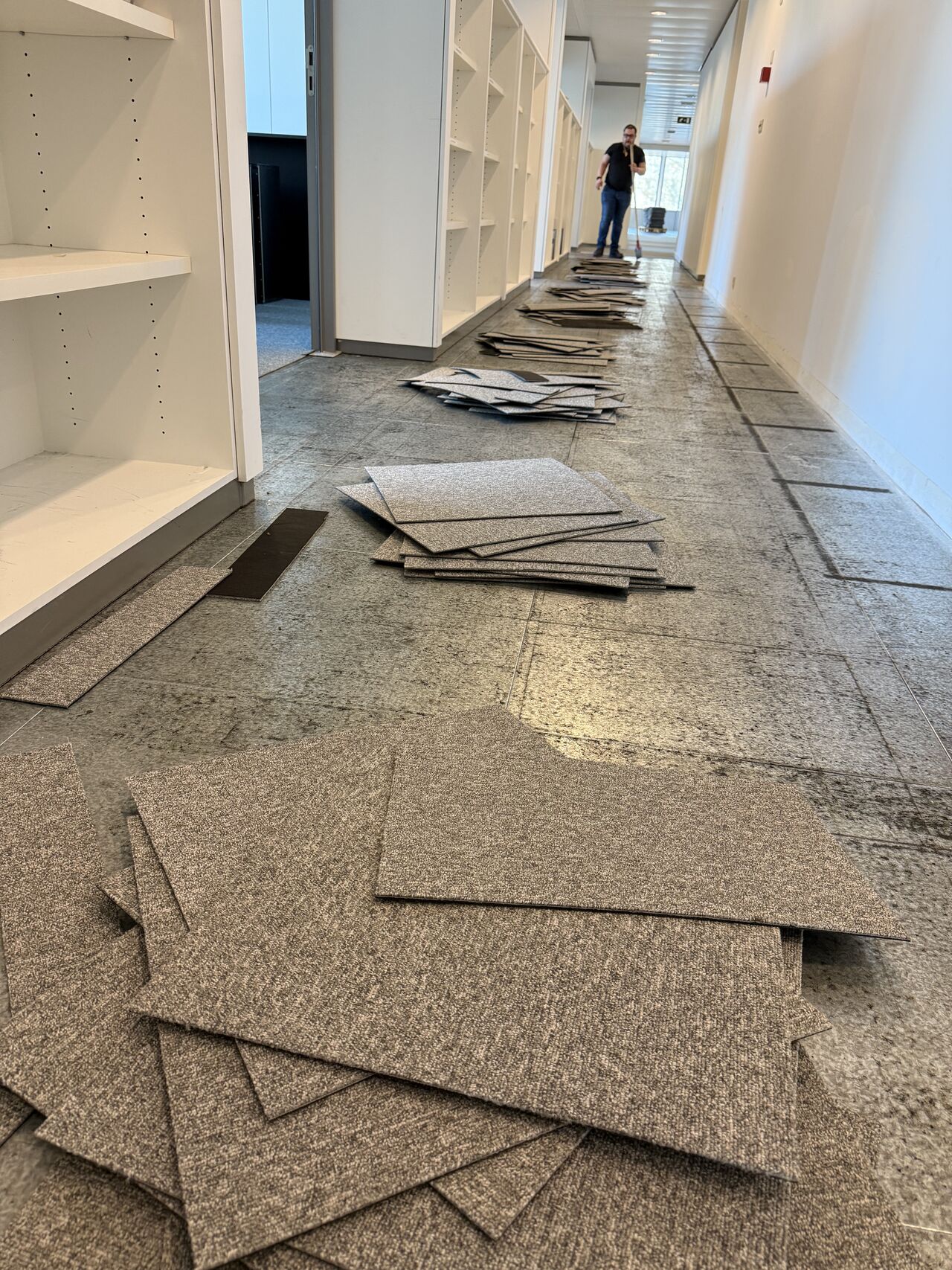
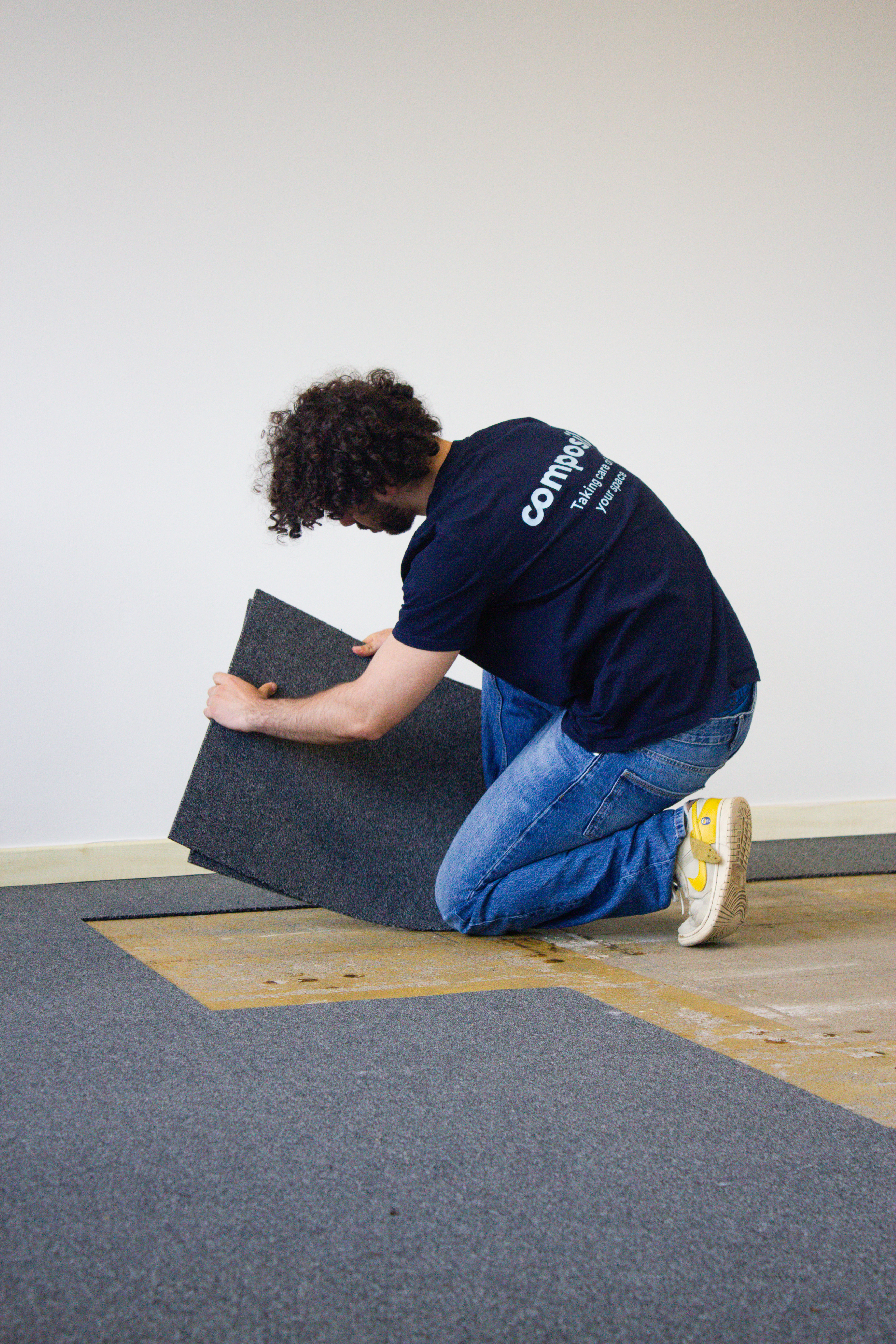
As a result, surfaces that are sometimes almost as good as new end up in the incinerator. This is where Composil steps in to dismantle, inspect and sort the tiles. The best ones are cleaned and reconditioned, whilst the rest are sent for recycling. “Our role is to guarantee the client that 100% of their flooring will be put to good use,” the company emphasises.
The model is based on a hybrid organisational structure : some operations are carried out in-house, whilst others are carried out in sheltered workshops or with partners specialising in deconstruction and logistics.
Turning waste into a resource
This approach is already yielding tangible results. Composil claims to have restored, reused or recycled over 400,000 m² of carpet, as well as avoiding 4,000 tonnes of CO₂ emissions. The company also claims to be able to halve certain costs. Every month, more than one million square metres of carpet are maintained using a dry-cleaning method that saves around 200 litres of water per 1,000 m².
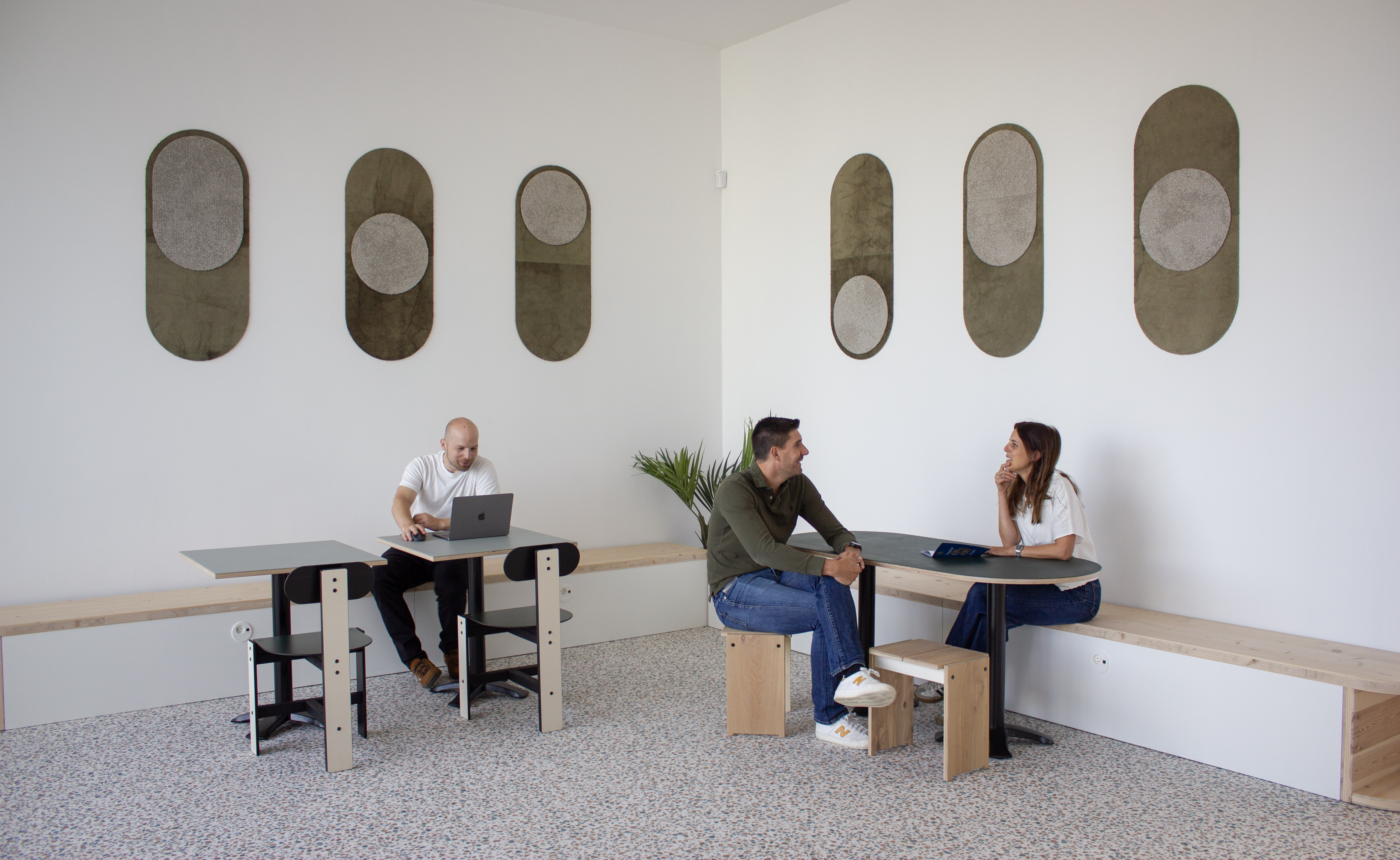
The environmental argument is coupled with an economic benefit. According to the company, reused carpet can cost between 10% and 60% less than a new, high-end product. “Even if the customer couldn’t care less about sustainability, they will still be influenced by it indirectly because they’ll be buying at an attractive price,” observes Jean Minne.
The carbon footprint is also becoming a selling point. A new carpet would represent between 7 and 10 kilograms of CO₂ equivalent per square metre, compared with 400 grams to 1 kilogram for a reused tile, including transport and reconditioning. For companies subject to ESG targets or certifications such as BREEAM, the benefits are becoming tangible.
The project carried out at Brussels-North illustrates this growing trend. In a tower block refurbished by Whitewood, 23,300 m² of carpet was assessed. In the end, between 11,000 and 11,500 m² could be reused on site. Some tiles were simply cleaned before being refitted. Others were removed, sorted and reconditioned with the help of sheltered workshops. The remainder was supplemented with new material. For Composil, this type of project demonstrates that large-scale reuse is becoming technically viable in the commercial property sector.
The challenge of total recycling
However, the sector remains in its infancy and is complex. Currently, 30% to 35% of recovered carpets are sent directly for reuse. The remaining 65–70% are sent for recycling. Some manufacturers take back a proportion of the products, but they generally prioritise their own materials.
The fibres can be separated from the underlays and then reused in various industrial applications. Some underlays find uses in the road construction industry. The latest generations would even, in theory, make it possible to produce a new carpet tile comprising up to 97% recycled materials.
But the economic equation remains a tricky one. Composil is collaborating in particular with Aquafil, a manufacturer of yarns used in various carpets. Initial tests are encouraging, but the yarn accounts for only 10 to 15% of a tile’s total weight. “What do we do with the rest?” asks Jean Minne. The challenge now is to establish a fully-fledged industrial supply chain capable of making transport, processing and labour cost-effective.
Europe in the sights
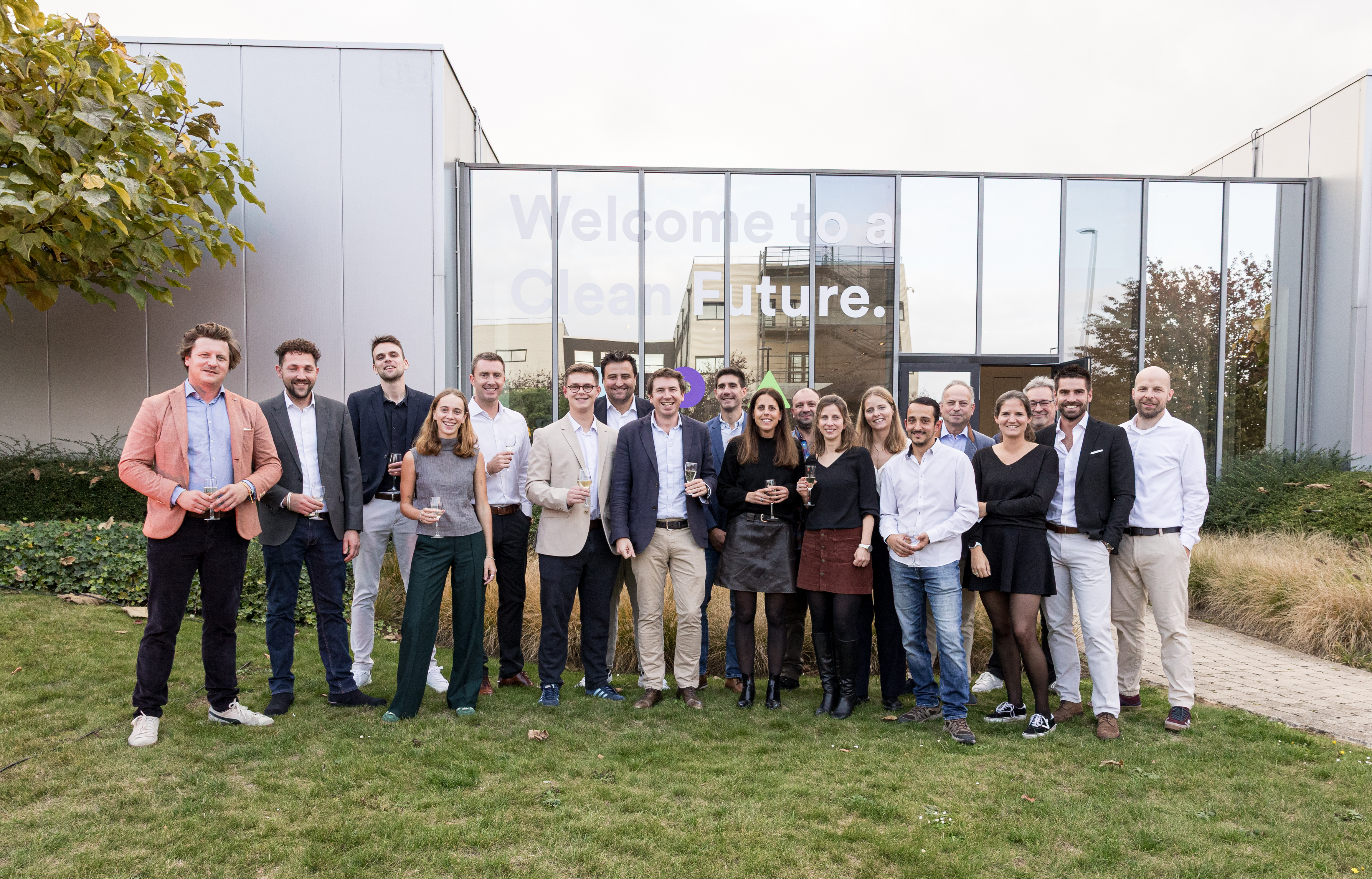
This ambition goes hand-in-hand with the group’s growth. Composil closed out 2025 with a turnover of around €6.5 million. The ReUse & Recycle division already accounts for nearly 15% of the business. The company employs around 88 staff and has 1,200 clients across several European countries.
International expansion is now at the heart of its strategy. Composil operates in Belgium, France, Luxembourg, Switzerland, Sweden, Germany and Austria. France appears to be the most promising market, driven by more advanced regulations in terms of the recovery of construction waste. “Clients tell us: your solution is attractive, but above all, we need it now because it’s becoming a requirement,” explains Jean Minne.
Since the start of 2026, the company has therefore been focusing a significant part of its efforts on the French market, where several contracts have already been signed. The aim is to adapt processes to each country without compromising the consistency of the model.
Composil is also looking beyond office spaces. The company is developing a business focused on sports surfaces, particularly hockey and padel courts. Here too, issues of reuse and recycling are becoming strategic.
Key takeaways ?
In a construction sector regularly criticised for its environmental footprint, reused carpet remains a niche market. But it’s a niche with great potential. “Compared to the millions of square metres of flooring dismantled every year in Europe, what we do is still marginal. But the opportunities are enormous”, says Jean Minne.
Composil’s challenge, therefore, is to transform ordinary waste into an economic resource. A carpet tile removed from an office in Brussels can now be cleaned, reconditioned and then laid elsewhere. It’s no longer just a floor covering: it’s a raw material.
This article was written by Rodolphe Masuy for the W+B Magazine No. 172.