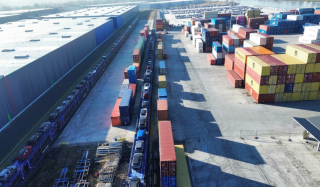
Establishing a strategic business operation in an increasingly competitive environment between European regions is a decisive choice to make. Several international groups have decided to set up in Wallonia. Various sectors such as tech, biopharma, logistics and hospitality all came to the same conclusion: location, skills, stability, public funding and capacity for innovation create an environment that fosters long-term success. We will focus on stories from Google (USA), Skechers (USA), Takeda (Japan) and Van der Valk (Netherlands).
GOOGLE - strategic infrastructure and digital sovereignty
Google’s total investment in Belgium, including the €5 billion announced in 2025, now stands at over €11 billion since the launch of its first data centre in Saint-Ghislain, back in 2007. The campus is now expanding, with the addition of a seventh building.
The initial choice was based on a combination of factors specific to this region: “energy availability, access to water for cooling, connectivity, land for potential expansion and the quality of the road network,” explains Frédéric Descamps, Head of Operations. Saint-Ghislain has established itself as a strategic link in the European cloud infrastructure, which consists of AI, critical digital services, storage and processing capacity.
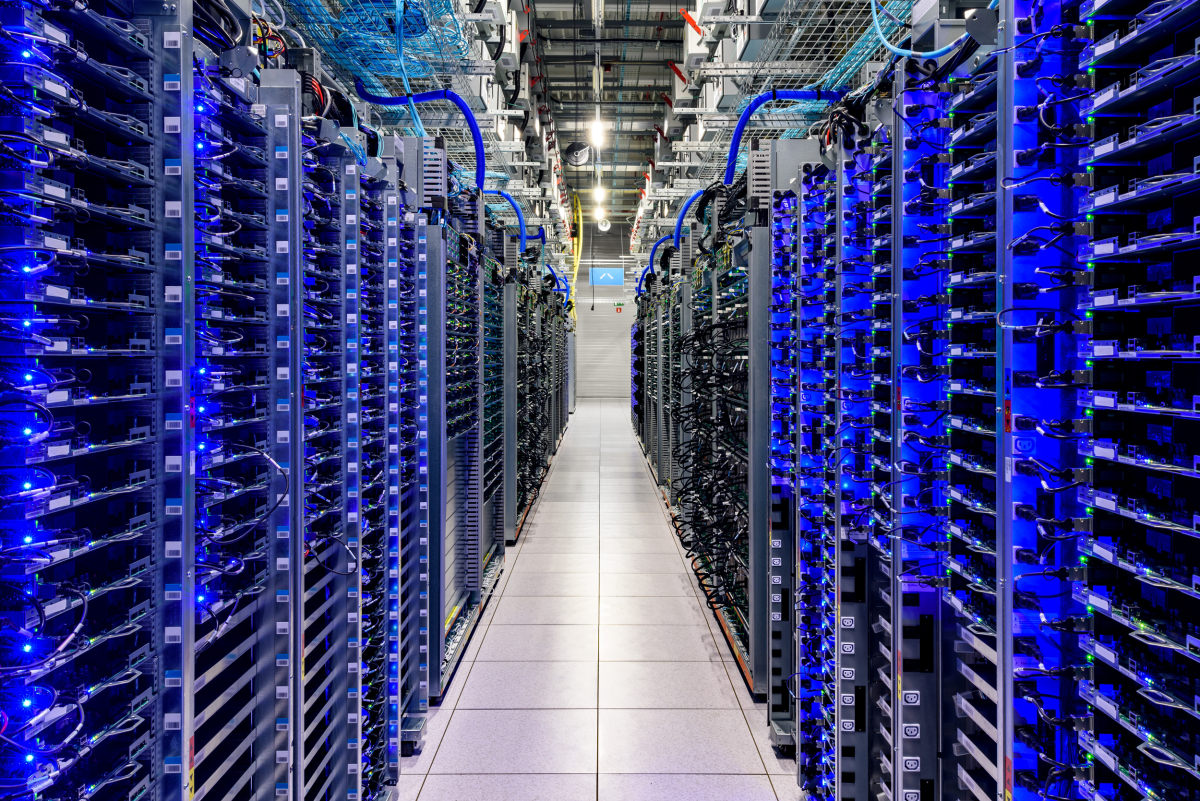
The company’s innovation is not limited to digital technologies. “Saint-Ghislain is the first campus to have on-site solar power generation, thanks to a solar farm we inaugurated in 2017. Its capacity has since been increased. After completing a pilot project, we switched to water treatment using CO2 rather than acid, which has reduced our water consumption and use of hazardous chemicals. We have also installed electrical energy storage batteries.”
Local impact has been even greater: “We support local sponsorship initiatives and have helped develop a master’s degree course in Data Centre Engineering with the Haute École de Mons.” This has inspired the American group to develop further projects. Today, the site employs around 900 people and works with 80 Walloon suppliers.
SKECHERS - European logistics hub and job stability
For over 20 years, the American company Skechers has been sending sport and casual footwear throughout Europe from Wallonia. As one of Wallonia’s largest employers, the site comprises over 1,200 staff.
“We had investment opportunities in other European countries, but we chose Wallonia due to its location and the availability of land,” says Sophie Houtmeyers, Managing Director of Skechers EDC. “We also benefited from strong support and guidance from the authorities.”
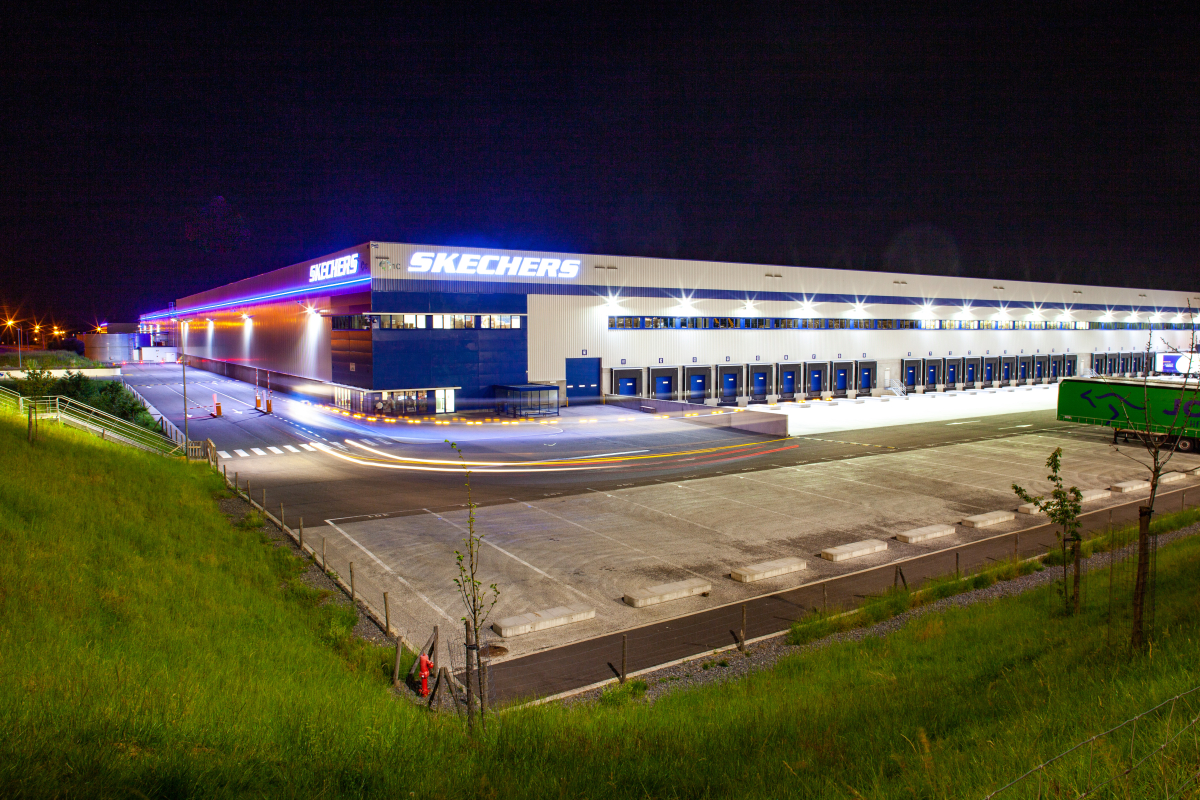
This convinced the parent company in the United States to go ahead with the venture in Wallonia. A construction project for new infrastructure at the Liège Airport site is currently underway. “Keeping jobs here was a decisive factor. Having stability for the teams is a key performance factor.” This is especially true as the teams remain loyal to the company, sometimes spanning several generations. At the same time, multimodality, proximity to European transport routes and social stability also weighed heavily in the decision.
In the meantime, the Milmort site has become a European logistics hub for the group. It handles large volumes and operates 24/7. The site secures thousands of jobs that cannot be relocated, in stable industrial environment, all while integrating both local partners and training providers.
TAKEDA - Industrial excellence and a global biopharma presence
The Lessines site is now the group’s third-largest production site worldwide. Specialising in immunoglobulins, it supports patients in over 80 countries
After investing €118 million in a production line in 2021, in 2022 Takeda announced an investment of nearly €300 million for the construction of a new state-of-the-art production unit, which will be operational by early 2027. This investment came hand in hand with a new net-zero carbon warehouse in Lessines, which has been operational since 2024. Without wishing to disparage other European regions, Thierry Pestiaux, Site Head at Takeda Lessines, maintains that “Wallonia offers significant advantages: scientific expertise, a skilled workforce and close collaboration between industry, universities and public authorities.”
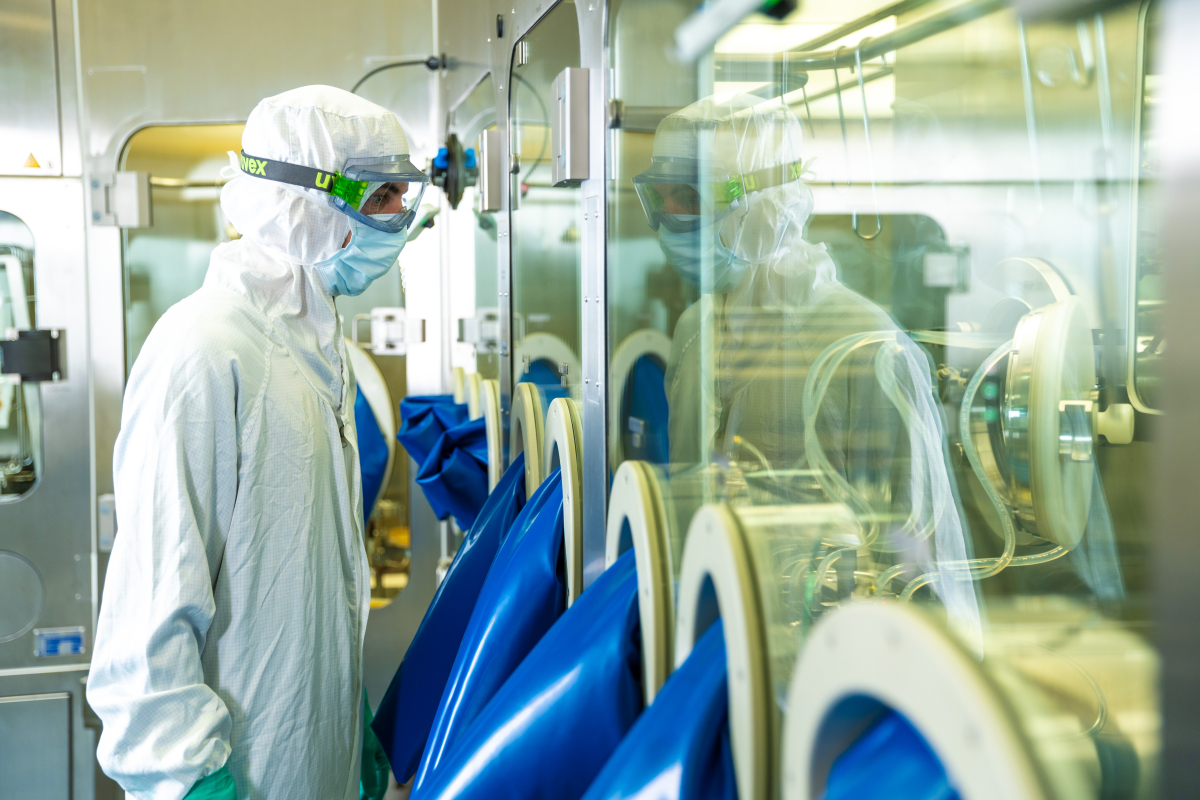
The site excels thanks to its industrial performance, scientific expertise and pioneering approach to sustainability. “Lessines is the world’s first pharmaceutical production site to recycle 60% of its wastewater for reuse in drug manufacturing. This saves 1.2 million litres every day.”
With a round-the-clock staff of 1,200 people from 23 different countries, Lessines also illustrates the human focus of the Walloon model. “Belgium has a particularly strong ecosystem when it comes to life sciences. Our collective abilities can help to adapt and accelerate skill growth.” In this way, continuous professional development, partnerships with the education sector and upskilling initiatives turn into strategic drivers.
VAN DER VALK - generating systems of structure
The Dutch family-owned group has been present in Wallonia since 1977, with 19 hotels in the region. Now, they are expanding further, with major projects projected for Liege Airport and Charleroi.
Their strategy is based on setting up locations along major economic corridors: airports, urban centres, business hubs. “We seek a constant balance between travel for business and leisure, to ensure year-round activity,” explains François Breuer, CFO of Van der Valk. The hotel chain has generated 700 jobs in Wallonia.
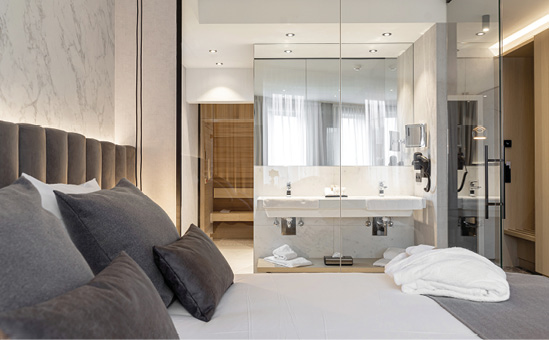
But Van der Valk’s impact extends beyond the hospitality sector itself. It is what makes the brand unique: in addition to the hotel, they have a restaurant, wellness facilities and venues for events. “Each establishment functions as an economic microcosm, attracting visitors and businesses. Investing in the hotel acts as a catalyst for the local area. Business attracts business. Sometimes, local authorities contact us directly to establish a Van der Valk hotel in their area.”
They have great ambitions: “We are planning two new establishments in the centre of Charleroi and at Liege Airport within the next two years. At the same time, we are exploring the French market, where our experience in Wallonia will be a real asset.”
Infrastructure, a skilled workforce, stability and industrial vision are all key factors that make Wallonia a strategic partner in the heart of Europe. Wallonia does not merely attract investment; it builds lasting foundations.
WAB Magazine
Linked articles
Related articles

Kersia Belgium is positioning itself as an international hub for food safety

Wallonia, a Hub for Innovation in Agricultural Biosolutions
EHP Accelerates Its Growth with a New Manufacturing Facility and a Strategic Partnership for Ariane 6