In New Paltz, nestled in New York State’s Hudson Valley, the history of Wallonia can be discovered through stone buildings, family names and living memories. Founded in the 17th century by Walloon families, the town offers a unique heritage journey between Europe and America — just one hour from New York City.
Walloon Roots at the Heart of American History
Almost everyone knows the story of the purchase of Manhattan Island on May 24, 1626 by Pierre Minuit, a native of Charleroi, which led to the founding of New York — then known as New Amsterdam.
But did you know that other historic sites in the United States are also closely linked to the arrival of Walloon settlers?
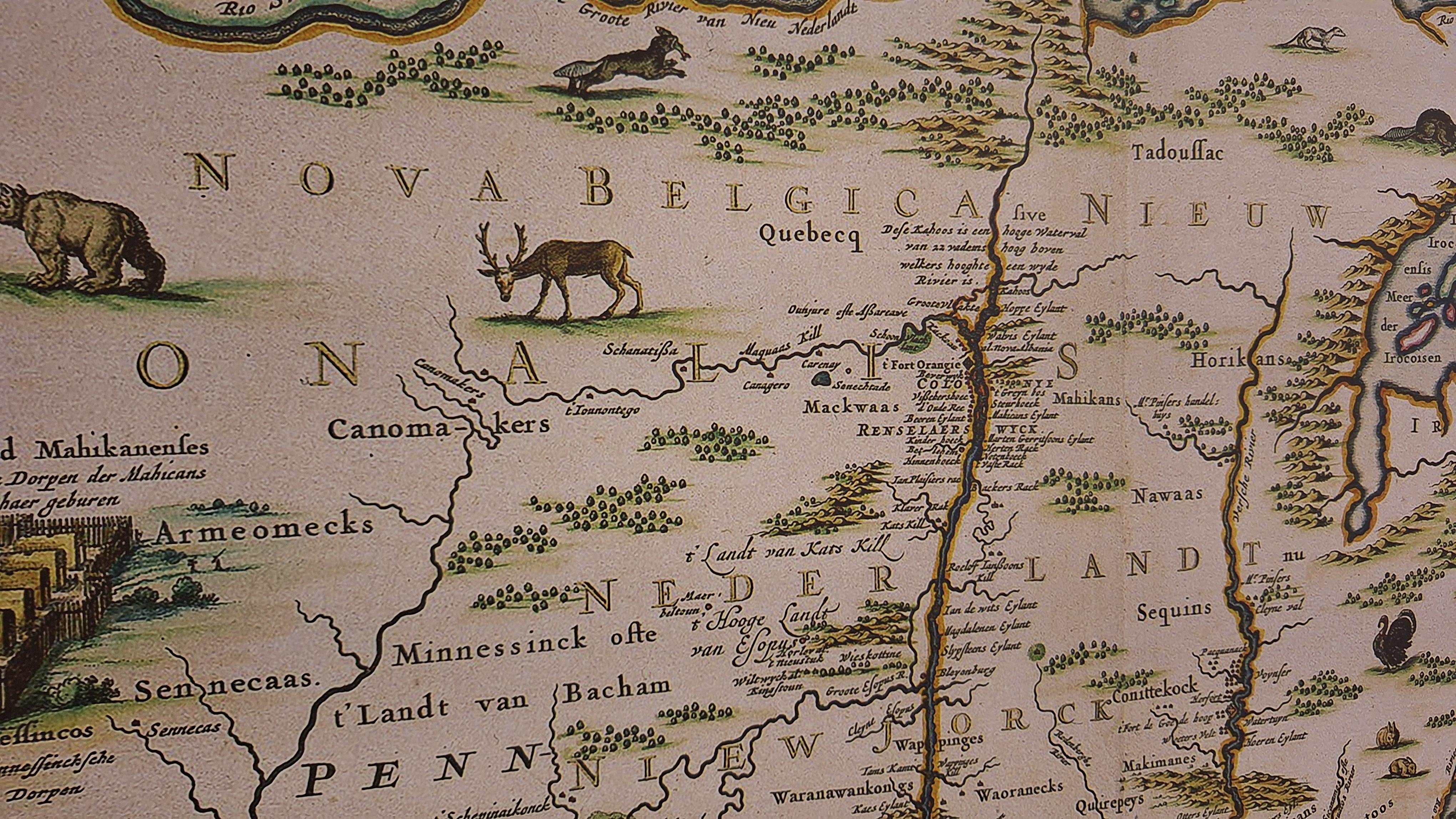
The town of New Paltz, located in the Hudson Valley in New York State, holds a distinctive place in the history of European migration to North America. Founded in 1678, it is deeply connected to the history of Wallonia through the settlement of families from the former Southern Netherlands, a region that partly corresponds to present-day Wallonia.
Most of these men and women were French-speaking Protestants who left Europe in the 17th century to escape religious persecution and political instability. Their migration journey — often via the Dutch Republic before crossing the Atlantic — reflects the resilience, mobility and strong cultural identity of these Walloon communities.
The Founding of New Paltz: A Model of Coexistence
The founders of New Paltz were Walloon and Huguenot settlers living within the Dutch colony of New Netherland. They settled in the area with the intention of creating a French-speaking community.
The founding act of New Paltz is based on a land purchase agreement concluded in 1677 with the Esopus Lenape Native American people. This contractual approach, rare in the context of North American colonial history, reflects the early settlers’ values of dialogue and mutual respect — values shared by the Walloon colonists and their companions.
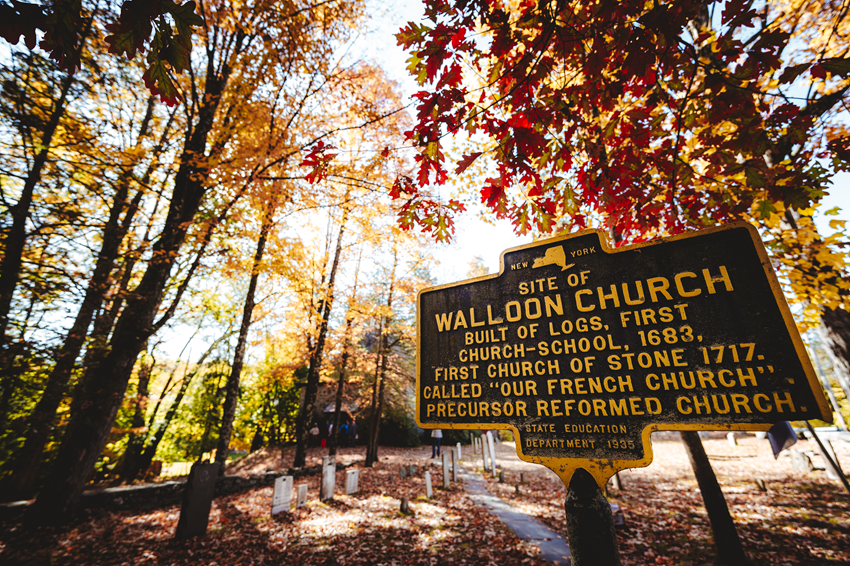
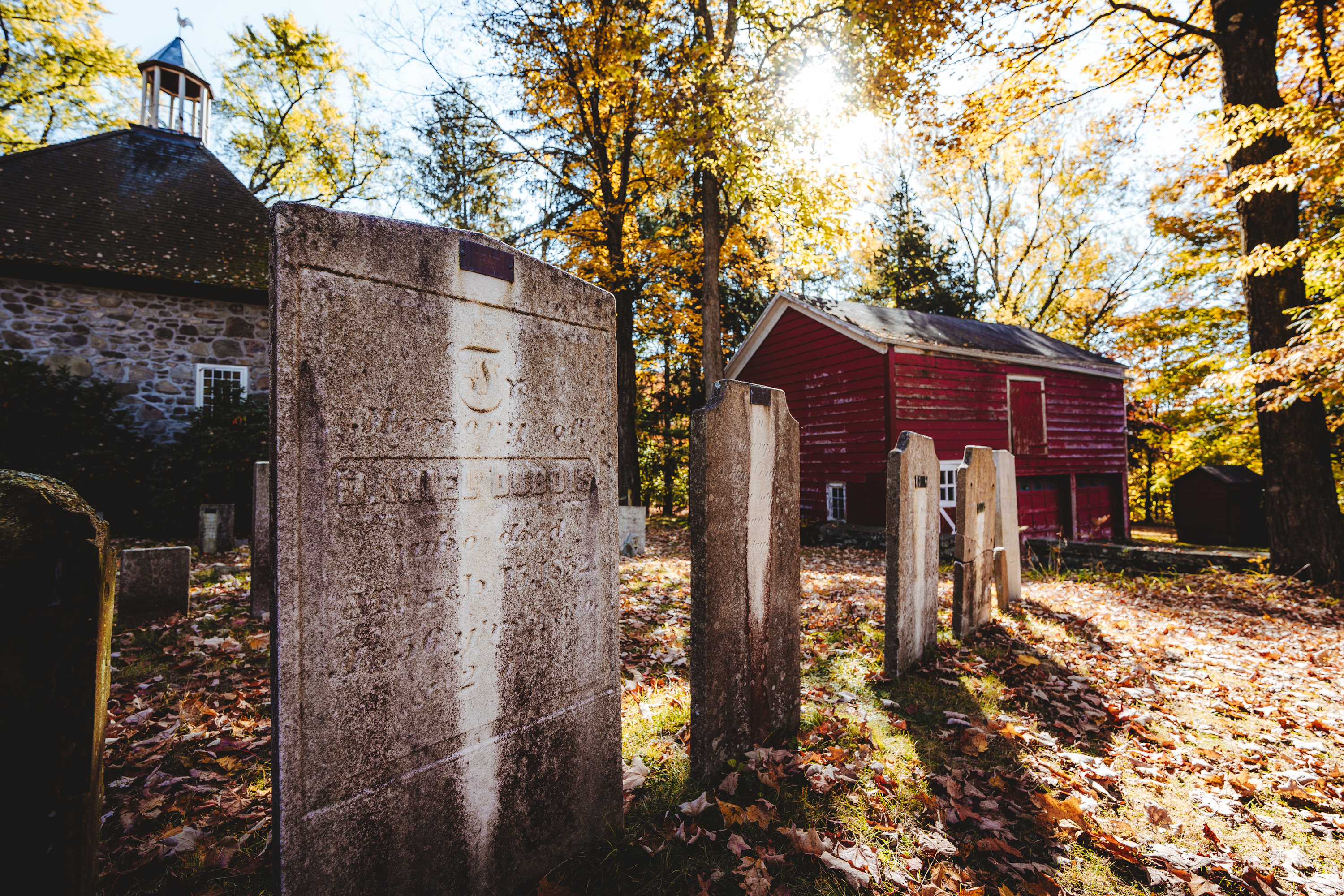
The settlement was initially called “New Paltz” or “New Palatinate.” A first log church was built in 1683, followed by a stone church in 1717, which remained in use until 1773. Religious services were conducted in French until 1753.
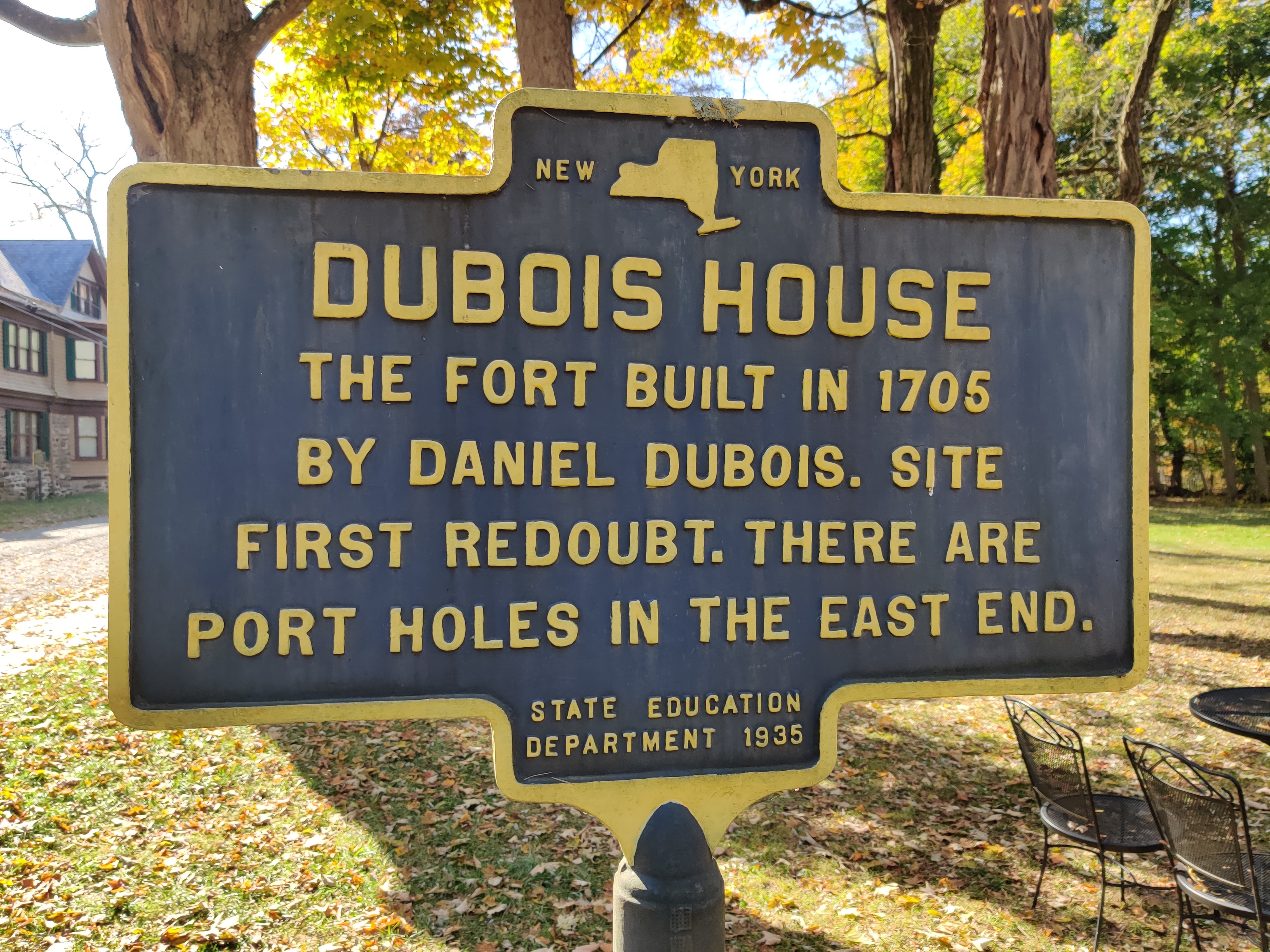
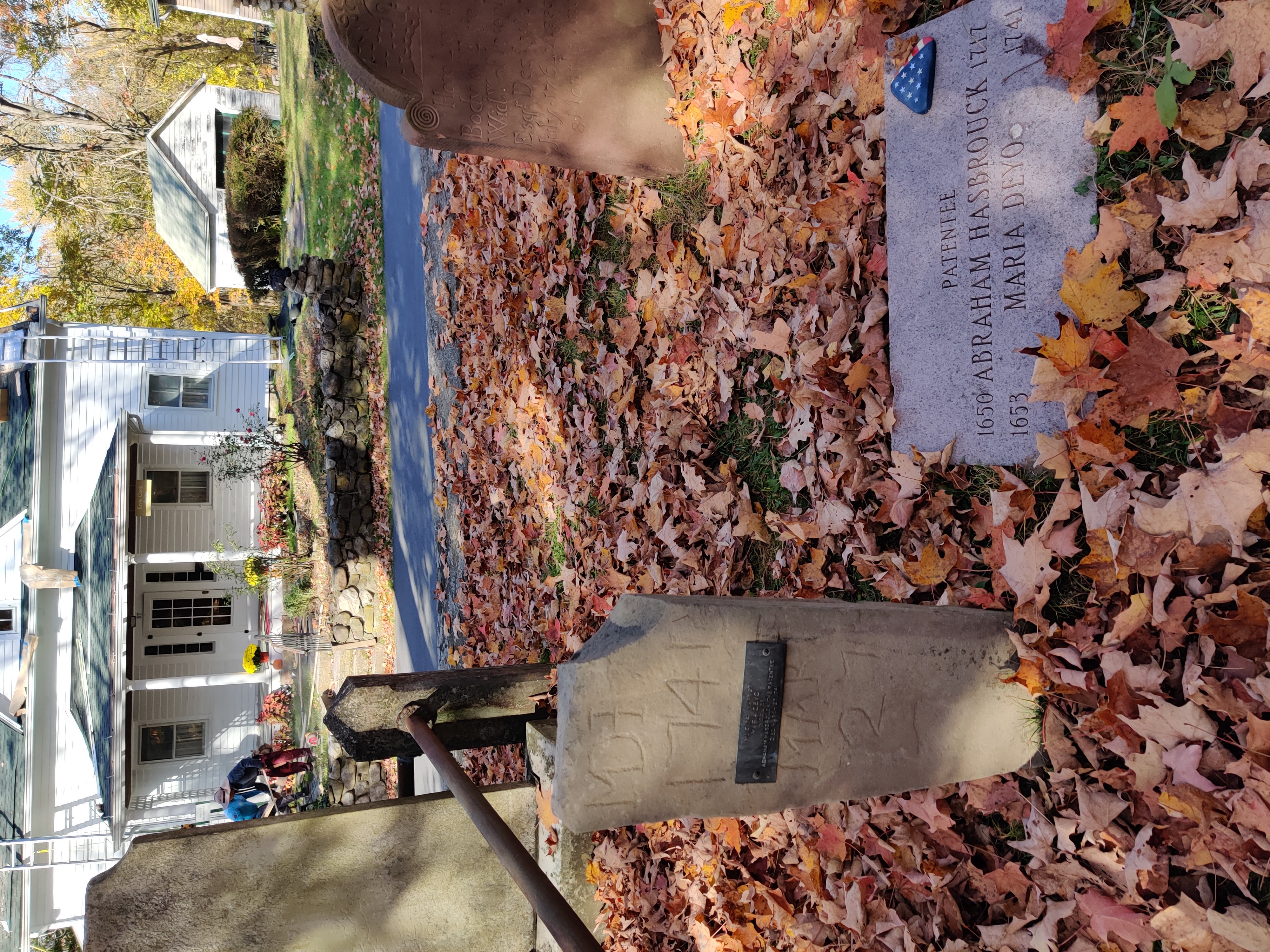
Among the founding families are names still deeply rooted in local memory: DuBois, Hasbrouck, LeFevre, Deyo and Bevier. These French-origin surnames are enduring reminders of the Walloon and broader francophone influence in the town’s early history.
Huguenot Street: An Exceptional Architectural Heritage
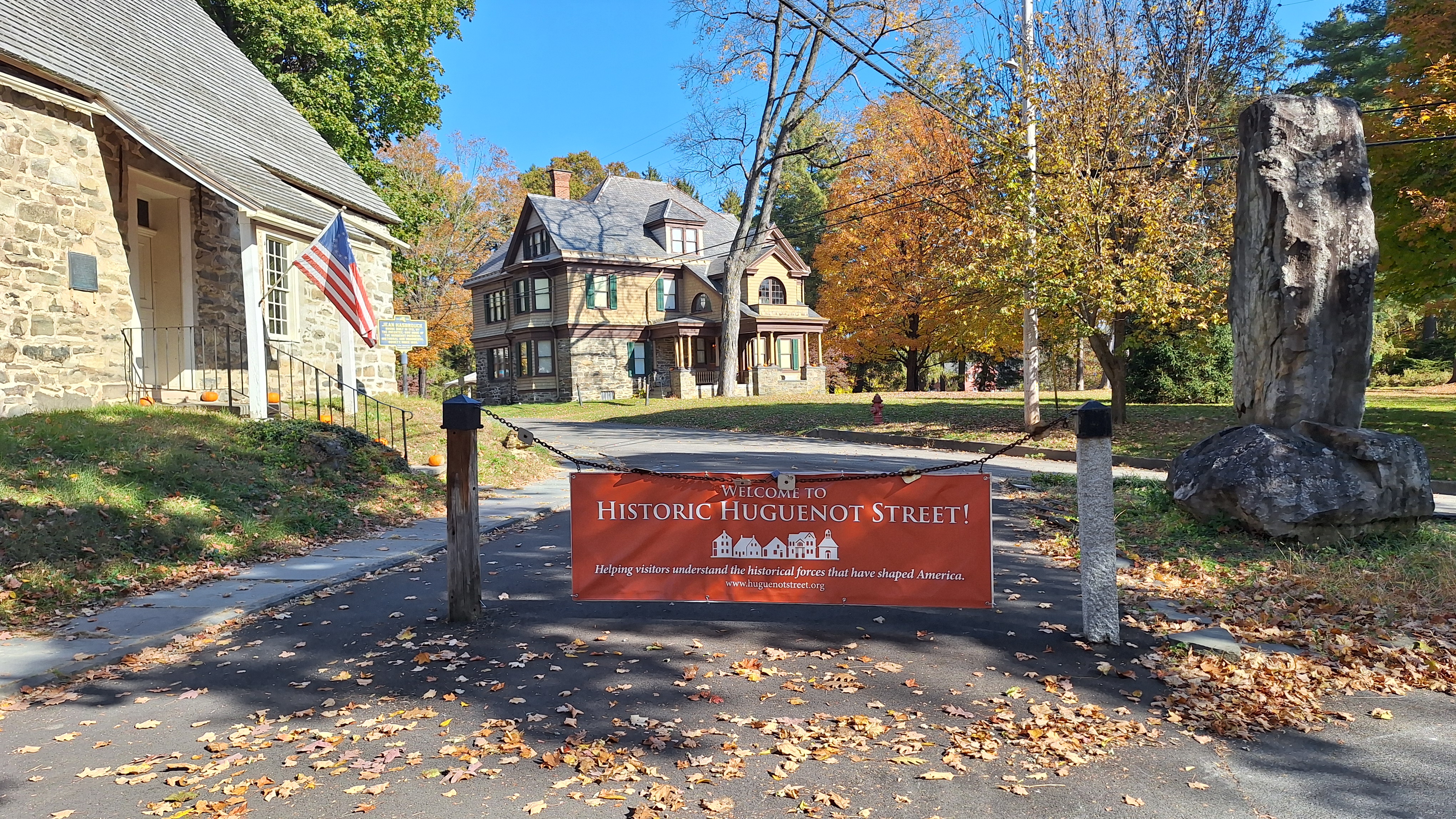
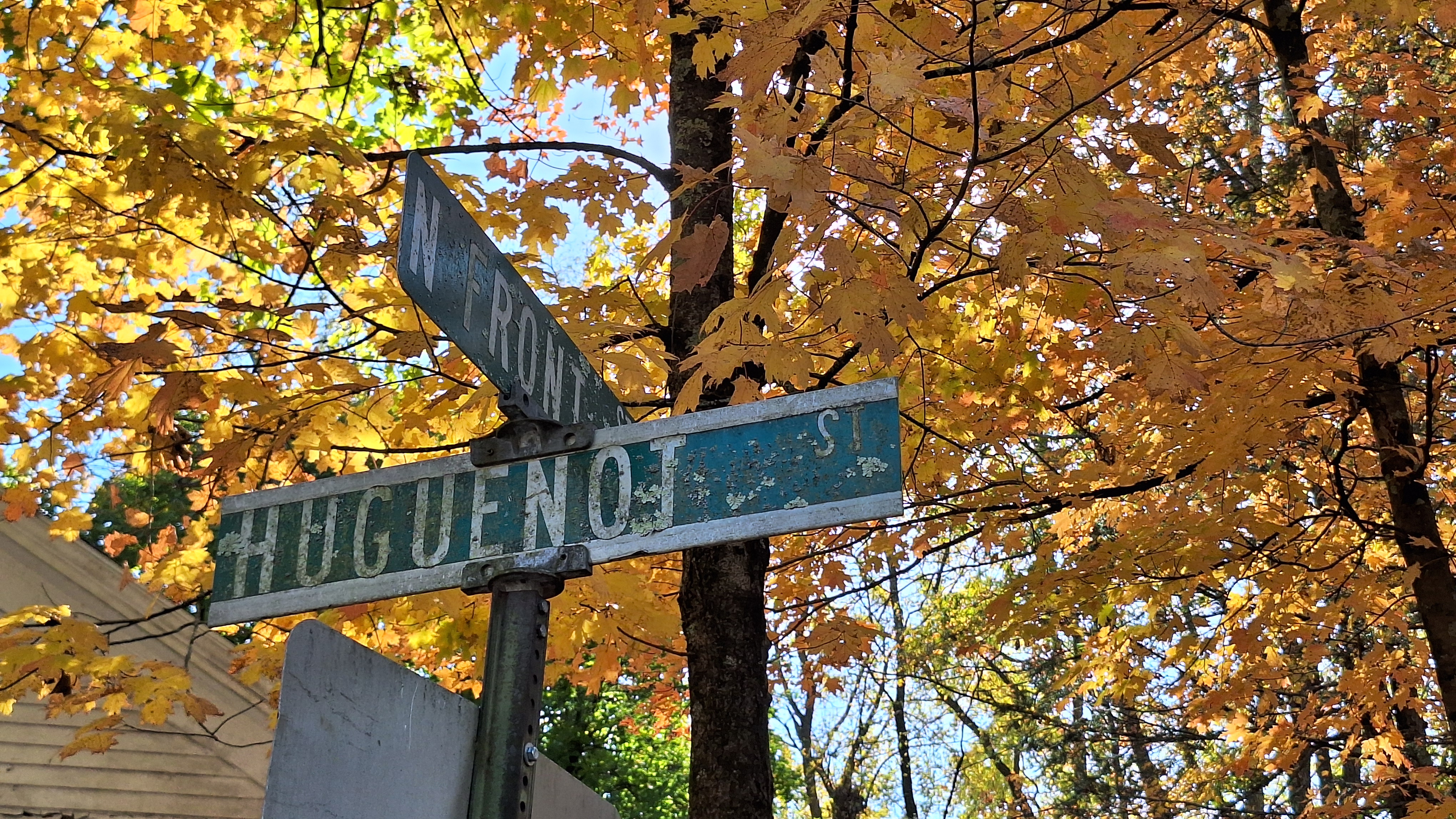
The historic heart of New Paltz lies along Huguenot Street, now designated a National Historic Landmark. This remarkable street is home to several stone houses built between the late 17th and early 18th centuries by direct descendants of the original settlers.
In 1972, the stone church was faithfully reconstructed by the Crispel Family Association and integrated into the Huguenot Street Historic District under the name Walloon Church.
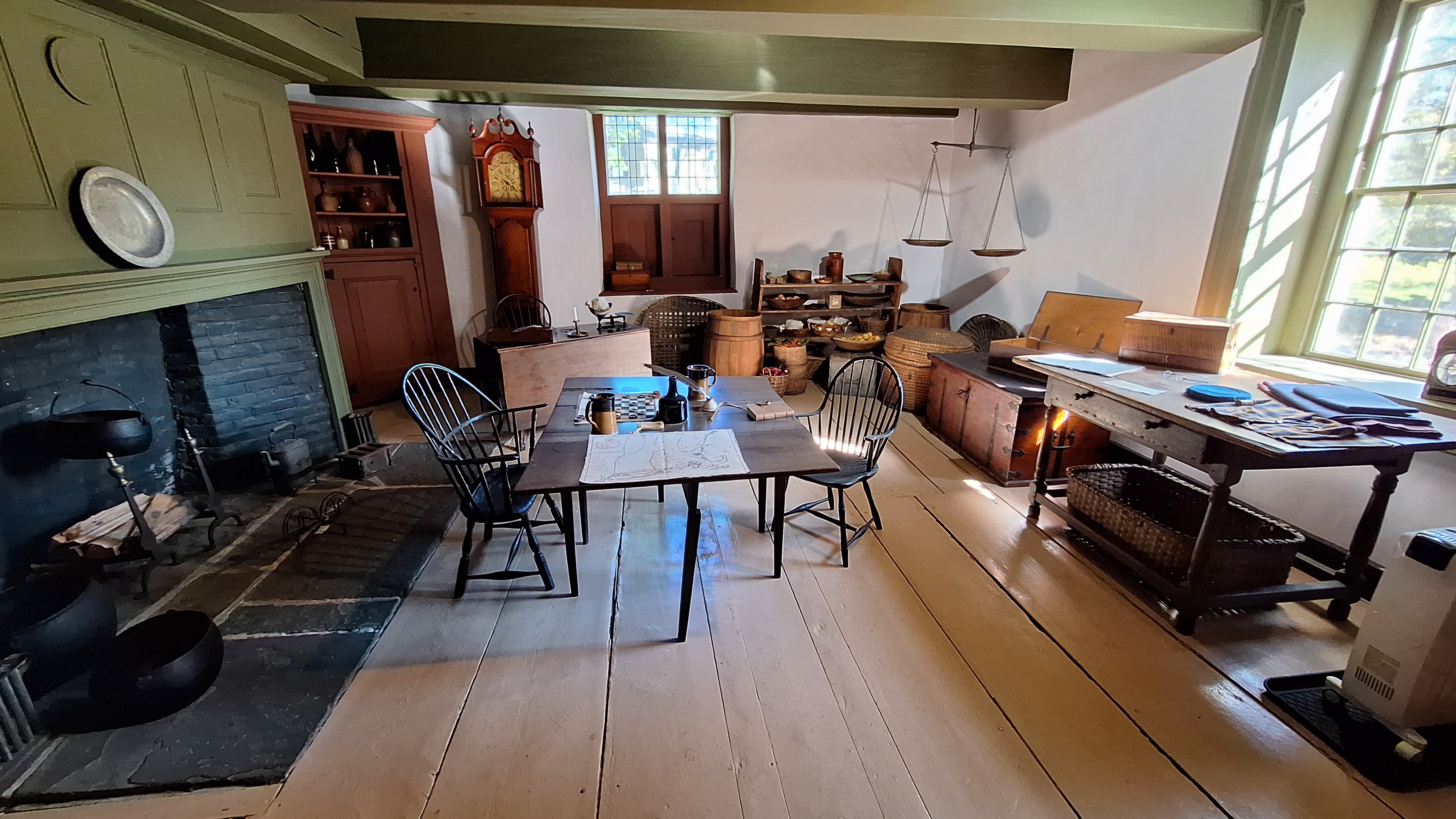
These exceptionally well-preserved buildings form one of the oldest surviving colonial architectural ensembles in the United States. Their sober, functional design reflects European building traditions, particularly those found in parts of Wallonia. Today, Huguenot Street operates as a living museum, offering exhibitions, guided tours and educational activities that highlight this unique transatlantic heritage.
Did you know?
Huguenot Street is considered the oldest continuously inhabited street in the United States to have preserved its original built heritage, with seven 18th-century stone houses. It was designated a National Historic Landmark in 1960.
A Living Memory Between History and Cultural Tourism
Over the centuries, the memory of New Paltz’s Walloon origins has been preserved through archives, genealogical research and the conservation of its built heritage. Today, this history has become a major cultural and tourism asset for the region, attracting visitors, researchers and descendants of European families eager to reconnect with their roots.
For visitors from Wallonia, New Paltz offers a rare opportunity to encounter tangible traces of Walloon history on American soil. This dialogue between local heritage and European memory enhances the cultural appeal of the destination and supports a form of tourism rooted in meaning, history and transmission.
A Shared Heritage Looking to the Future
The historical relationship between Wallonia and New Paltz is now part of a broader dynamic of recognition and heritage preservation. It highlights the importance of safeguarding and sharing the migration stories that helped shape contemporary societies.
By promoting this historical link, Wallonia reaffirms its role in the global history of migration and underscores the richness of its intangible heritage. New Paltz, for its part, remains a living witness to this transatlantic human adventure — inviting discovery, reflection and intercultural dialogue.
Text, photos & illustrations © Jérôme Van Belle & Jonathan Avau (Wallonia Export/WBI)